Wrapping & Wax Paper for Food Service & Packaging

Wrapping and wax paper products are essential for food service, food manufacturing, and retail operations that require clean handling, moisture resistance, and reliable food protection. At Moshe Paper & Packaging Ltd., we supply a broad range of wrapping paper and wax paper solutions designed for commercial kitchens, bakeries, delis, butcher shops, and food distributors across British Columbia and Canada.

Wax paper and wrapping papers are commonly used to wrap sandwiches, baked goods, meats, cheeses, and prepared foods. Their moisture-resistant coatings help prevent grease soak-through while maintaining product freshness and presentation. These materials are widely used for counter service, takeout preparation, food storage, and product separation during prep.

Our wrapping and wax paper products are available in multiple sizes, formats, and roll configurations to support high-volume, fast-paced environments. Many options are designed for easy dispensing and compatibility with standard dispensers, helping teams work efficiently during peak service hours. Businesses rely on these products for consistent performance, food safety support, and predictable results.

For customers prioritizing sustainability, wrapping and wax papers offer paper-based alternatives to plastic wraps in many applications. Depending on the product type, they can support recycling or composting programs when used correctly, making them a practical choice for businesses transitioning toward more environmentally responsible packaging.

With daily delivery across the Lower Mainland, Cash & Carry pickup in Richmond, and Canada-wide shipping, MPPL is a dependable supplier of wrapping and wax paper products that support food quality, operational efficiency, and reliable supply chains.

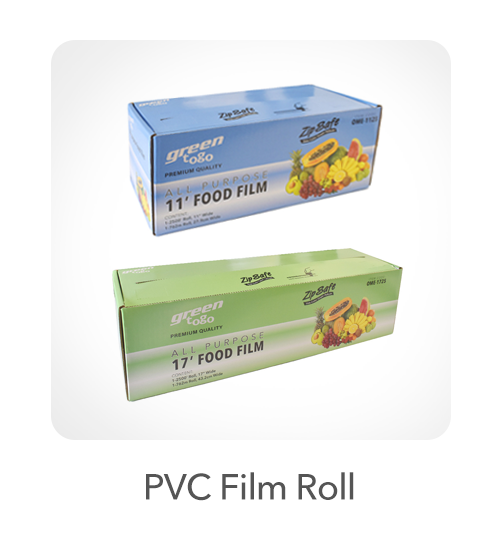
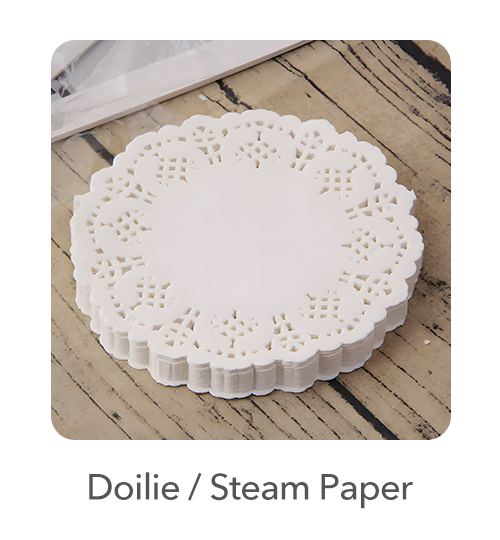
Wax PaperPVC Film RollDoilie Steam Paper

 
People Also Ask:

Q. What is wrapping and wax paper used for?

A. Wrapping and wax paper are used to wrap, protect, and separate food items during preparation, storage, and service.
These papers provide a moisture-resistant surface that helps prevent grease and liquids from soaking through. This keeps food fresh while maintaining clean handling and presentation.
They are widely used in restaurants, bakeries, delis, butcher shops, and food manufacturing facilities for everyday food contact applications.

Q. What is the difference between wrapping paper and wax paper?

A. Wax paper is coated for moisture resistance, while wrapping paper may be uncoated or lightly treated for general food wrapping.
The wax coating helps repel grease and moisture, making wax paper suitable for oily or moist foods. Wrapping paper without wax is often used for dry foods or as a presentation layer.
Choosing the right type depends on the food product, handling time, and moisture exposure.

Q. Is wax paper safe for food contact?

A. Wax paper is safe for food contact when manufactured for food service applications.
Food-grade wax paper is designed to meet industry standards for direct food contact. It provides a clean barrier between food and surfaces.
Businesses should use wax paper specifically labeled for food use rather than generic paper products.

Q. Can wax paper be used for hot food?

A. Wax paper can be used for warm foods but is not intended for high-heat cooking or oven use.
The wax coating can soften at higher temperatures, making it suitable for wrapping freshly prepared foods rather than baking or reheating.
For high-heat applications, alternative materials such as parchment paper may be more appropriate.

Q. Is wrapping and wax paper recyclable or compostable?

A. Wrapping and wax paper may be recyclable or compostable depending on the coating and local waste guidelines.
Some paper-based wraps can be recycled if clean, while others with wax or food residue may require composting where accepted. Performance and disposal options vary by product type.
Businesses should match product selection with their waste management programs and local regulations.

Q. What businesses commonly use wrapping and wax paper?

A. Wrapping and wax paper are commonly used by restaurants, bakeries, delis, butcher shops, and food manufacturers.
These businesses rely on wrapping papers for daily food handling, portioning, and presentation. High-volume environments value consistency and ease of use.
Retail food operations also use wrapping paper to improve hygiene and customer experience.

Q. Do wrapping and wax paper help with food freshness?

A. Wrapping and wax paper help maintain food freshness by reducing moisture loss and limiting exposure to air.
The barrier created by the paper helps protect food during short-term storage and service. This supports product quality and presentation.
While not airtight, wrapping paper is effective for same-day use and counter service.

Q. Are wrapping and wax paper available in rolls and sheets?

A. Wrapping and wax paper are available in rolls and pre-cut sheets.
Rolls are ideal for flexible sizing and high-volume prep areas, while sheets offer speed and consistency for portion control. Both formats support efficient workflows.
Businesses typically choose formats based on service speed, prep volume, and dispenser setup.

Q. Can wrapping and wax paper replace plastic wrap?

A. Wrapping and wax paper can replace plastic wrap in many short-term food handling and presentation applications.
They are especially effective for counter service, sandwich wrapping, and bakery items. Paper-based wraps also support sustainability goals.
For long-term storage or airtight sealing, plastic alternatives may still be required.

Q. Why buy wrapping and wax paper from a local BC supplier?

A. Buying wrapping and wax paper from a local BC supplier ensures consistent availability and faster replenishment.
Local supply reduces lead times and supports predictable ordering for food service operations. It also provides access to knowledgeable support when selecting products.
MPPL offers daily delivery across the Lower Mainland, Cash & Carry pickup in Richmond, and Canada-wide shipping for wrapping and wax paper supplies.

To top